LURS: Letters of Unrealistic Science

Call for Abstracts – 2027 Issue

LURS is a home for scientifically grounded fictional research. We invite submissions for our 2027 issue.

Please submit an abstract of up to 200 words describing your proposed article. Submissions should be rooted in real, contemporary scientific knowledge while extending toward imaginative, fictional results and conclusions.

Recent Articles

Letters of Unrealistic Science, LURS 108 (2026)

Dream-State Intersubjective Communication Facilitated by Neural Quieting of the Default Mode Network

From the novel Interspace by Michal Sahaf

Telepathy has been considered a myth, associated with extensive mental training and heightened interpersonal sensitivity, yet has resisted systematic experimental investigation. Here, we report the first empirical evidence of telepathic-like communication under controlled device-assisted sleep conditions. We hypothesized that telepathic-like communication, if present as a latent cognitive capacity, may become accessible not through amplification of mental activity but through its attenuation. Fifty healthy young adults participated in device-assisted sleep sessions using a combined electroencephalography (EEG) and low-intensity neuromodulation system. Selective reduction of default mode network activity was induced. A majority of participants reported entering a consistent shared dream environment and retained structured memories of interaction upon waking. These findings suggest that intersubjective mental experiences may emerge under conditions of reduced self-referential neural activity.

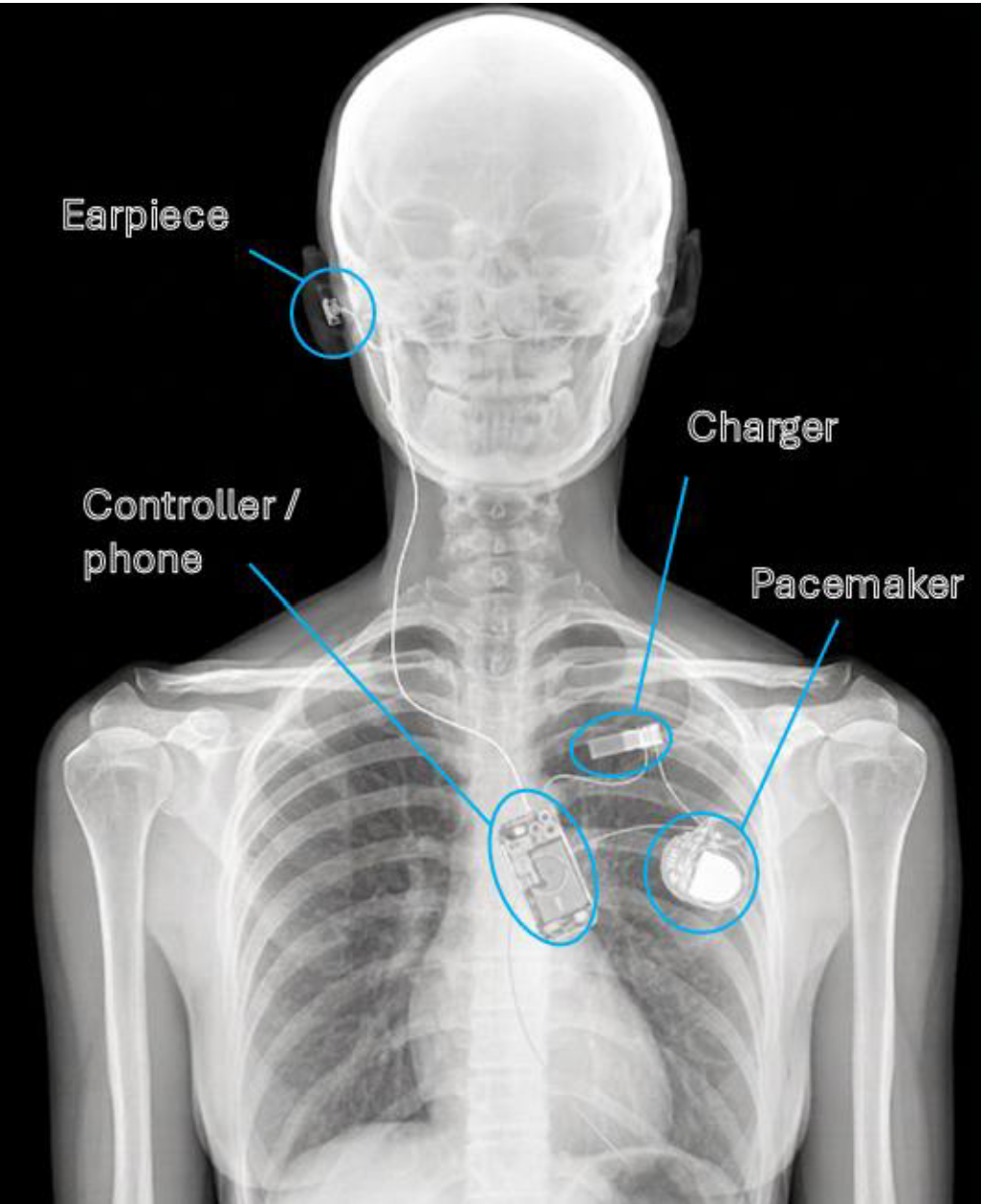
Illustration of two people facing each other with speech bubbles, suggesting intersubjective communication
Full Text (PDF)

Letters of Unrealistic Science, LURS 112 (2026)

Energetic Independence in Implanted Bioelectronics: First-in-Human Results of the Embedix Metabolic Fuel Cell System

From the novel Embedding by Raveh Gill-More

Long-term power supply remains the primary constraint for active medical implants. Current pacemaker technologies rely on lithium-based batteries with a finite lifespan of 7–10 years, necessitating invasive replacement surgeries. Here, we report the first-in-human (FIH) trial of the Embedix system, a revolutionary bioelectronic platform that achieves full energetic independence by harvesting energy directly from host blood glucose. Our study involved 10 human subjects who underwent implantation of a four-component system: a simplified cellular controller, a bone-conduction earpiece, and a metabolic charger module, in addition to an off-the-shelf pacemaker. Over a 90-day follow-up period, the system demonstrated continuous power generation averaging 40–56 milliwatts (mW), sufficient to power both cardiac pacing and a voice-activated communication interface. These results indicate a shift from passive monitoring toward perpetual, self-sufficient implanted systems.

X-ray image of patient #5 demonstrating the Embedix system implantation
Full Text (PDF)

Letters of Unrealistic Science, LURS 114 (2026)

Directed Bio-Electromagnetic Mutagenesis: Harnessing Symbiotic Bacterians for Macro-Biological Construction

From the novel The Dark Side of Antarctica by Ayal Warman

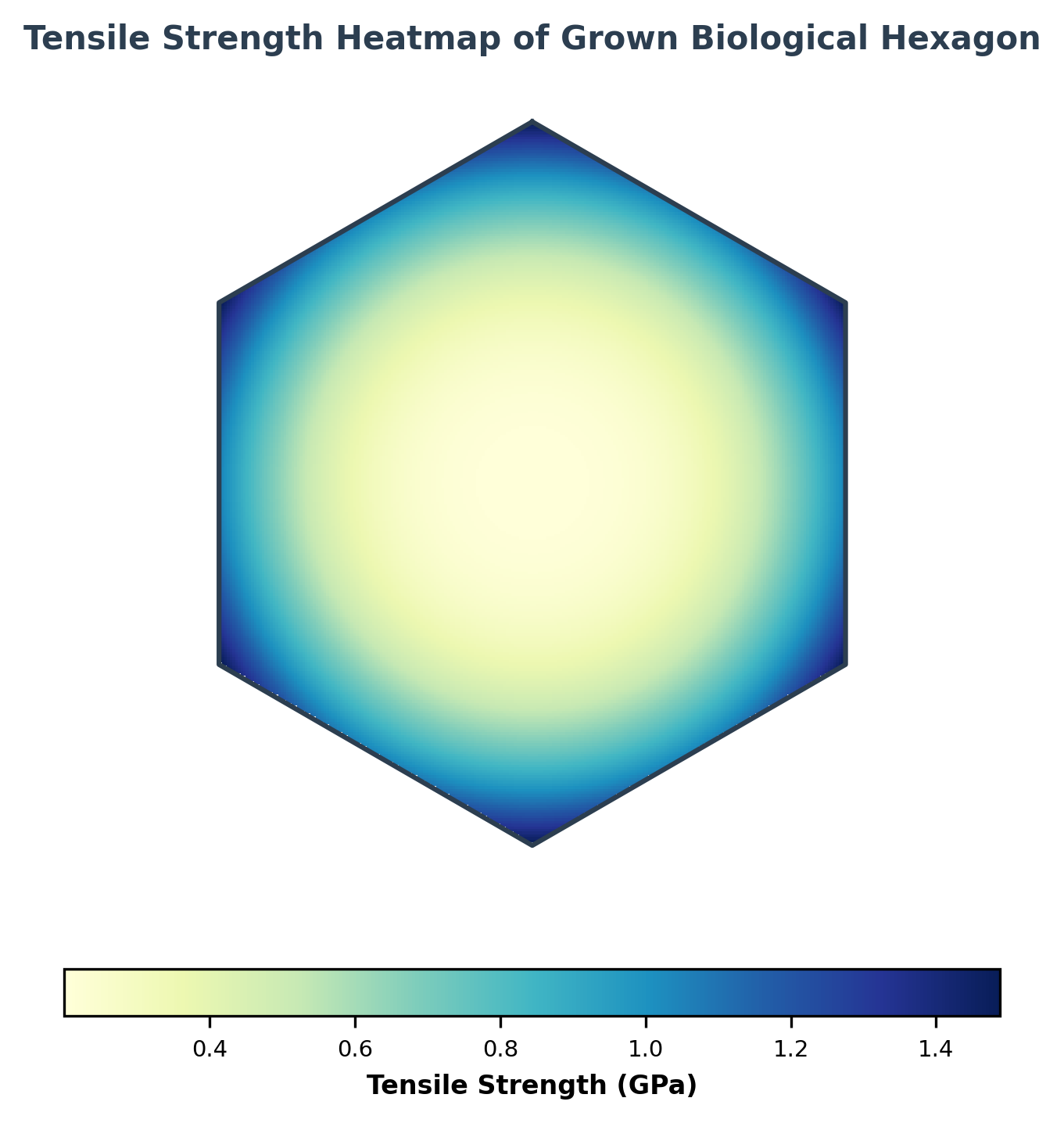
Recent extraterrestrial encounters have revealed a novel paradigm in materials science: the use of controlled biological mutations for structural engineering. Extraterrestrial species (Goliathans and Dorothians) communicate naturally via bio-electric radiation, utilizing symbiotic bacteria (“bacterians”) as natural signal amplifiers. This paper explores the weaponization and pacification of this natural radiation to induce controlled cellular mitosis. By enriching bacterian populations with uranium salts and directing their emissions via laser targeting, we can trigger localized, rapid cell proliferation—effectively taming what humans classify as “cancer”. We detail the methodology of utilizing this directed mutagenesis to grow macroscopic, self-healing bio-hexagonal building blocks and discuss the profound implications for future human architecture and aerospace engineering.

Tensile strength heatmap of grown biological hexagon
Full Text (PDF)

Submit an Abstract